
In the summer of 1991, the craps table at our tribal casino was losing money. Not for one bad night. For three straight months.
Willard Stanchina, the controller of our tribal finances, looked at the numbers and said what everyone else avoided saying: it was statistically impossible. A dice game does not lose money three months in a row. Money was leaving, and no one had locked the door.
At the time, I was Vice Chairman of the Casino/Bingo Board. I was young and still learning how to manage a business. Willard took me through the casino and showed me how each process really worked. What we did next was simple. We started a daily report of the chip count, sent to Willard every day. That one sheet of paper stopped a routine “cashing in” of high-value chips every Saturday afternoon. Deposits went up quickly.
Willard also reminded me of something I never forgot: my duty was to the tribal members who elected me.
Doing the right thing had a cost. The changes exposed problems close to leadership, and the pushback came fast. My own supervisor told me he understood the problem but would not act. He said I would have to do something myself. So I did. I opened the casino’s first investigation of its kind with the Tribal Chief of Police, and a quorum of the Gaming Board voted unanimously on what we found.
“A negative drop for three straight months was not bad luck. It was money leaving through a door no one had locked. Written controls were the lock, and in 1992, we still had not built it.”
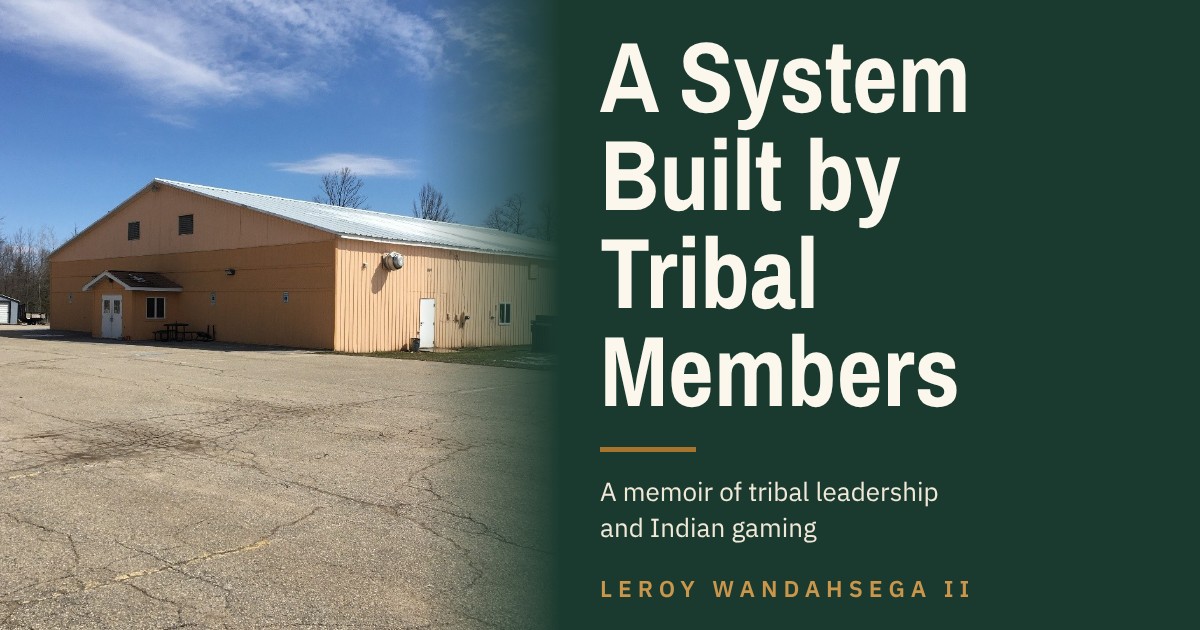
This is one chapter from my memoir, A System Built by Tribal Members: From Bingo Hall to Bureaucracy. The book follows Hannahville’s tribal government from bingo hall days through the growth of Indian Gaming under IGRA. It shows how a system built by tribal members slowly left many of its own people behind.
I wrote it for tribal members, especially anyone who serves or wants to serve on a board or committee. The lessons in this chapter still apply: know your responsibilities, ask for the reports, and remember who elected you.
The book is coming soon. Follow Potawatomi Life to hear first when it’s released.
— Leroy Wandahsega II, Founder, Potawatomi Life


Leave a Reply