
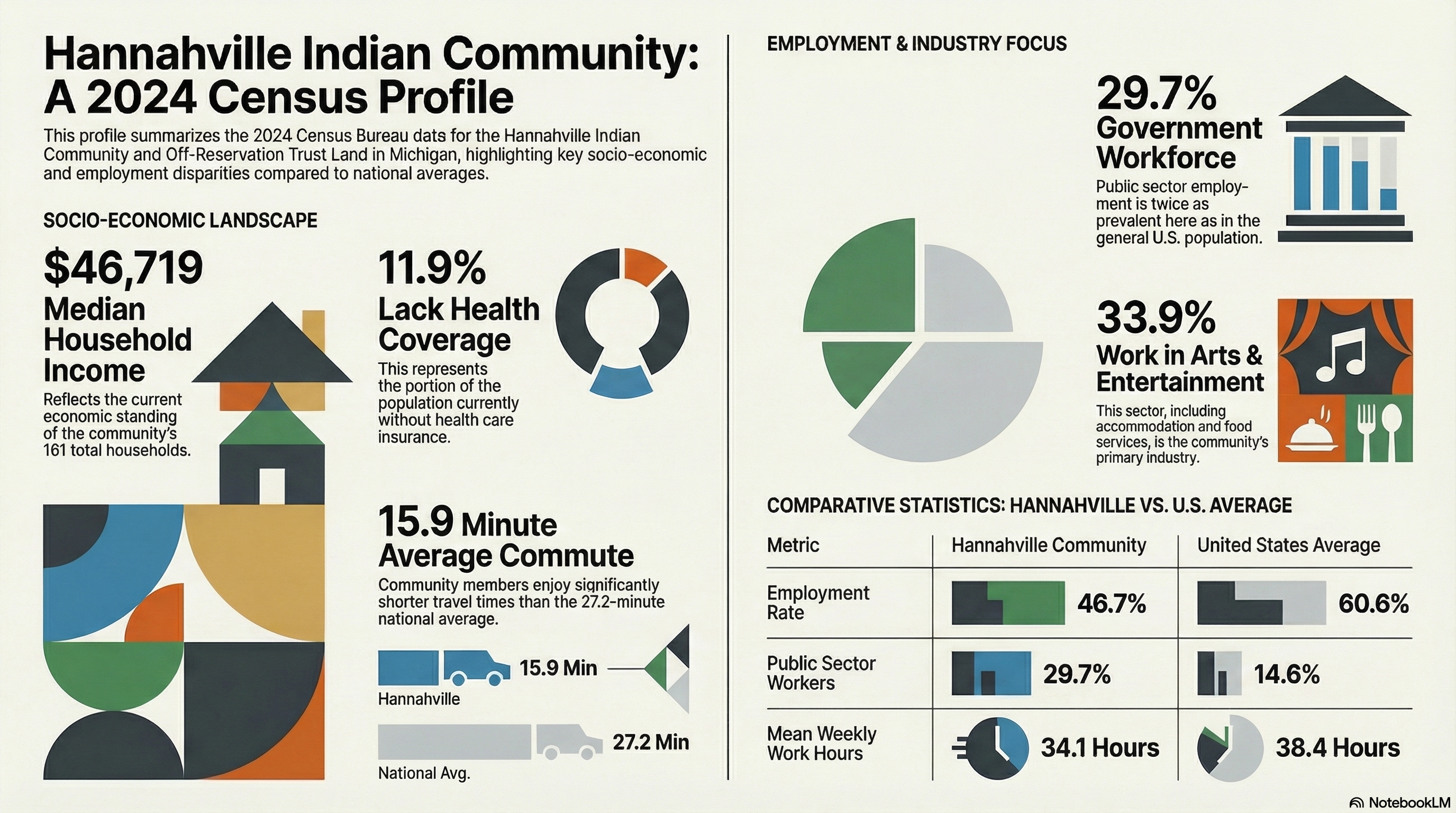
Housing is the foundation of every other number in our community profile. Where people live, and whether they rent or own, shapes income, schooling and how well our families can plan ahead. Here is where Hannahville stands, using the latest Census figures.
Housing distribution (2022)
| Measure | Units | Share |
|---|---|---|
| Total housing units | 161 | 100% |
| Occupied housing units | 142 | 88.2% of all units |
| Vacant housing units | 19 | 11.8% of all units |
| Renter-occupied | 105 | 73.9% of occupied |
| Owner-occupied | 37 | 26.1% of occupied |
The takeaway: nearly three out of every four occupied homes in Hannahville are rentals. Only 37 households own the home they live in.
Why the mix looks this way
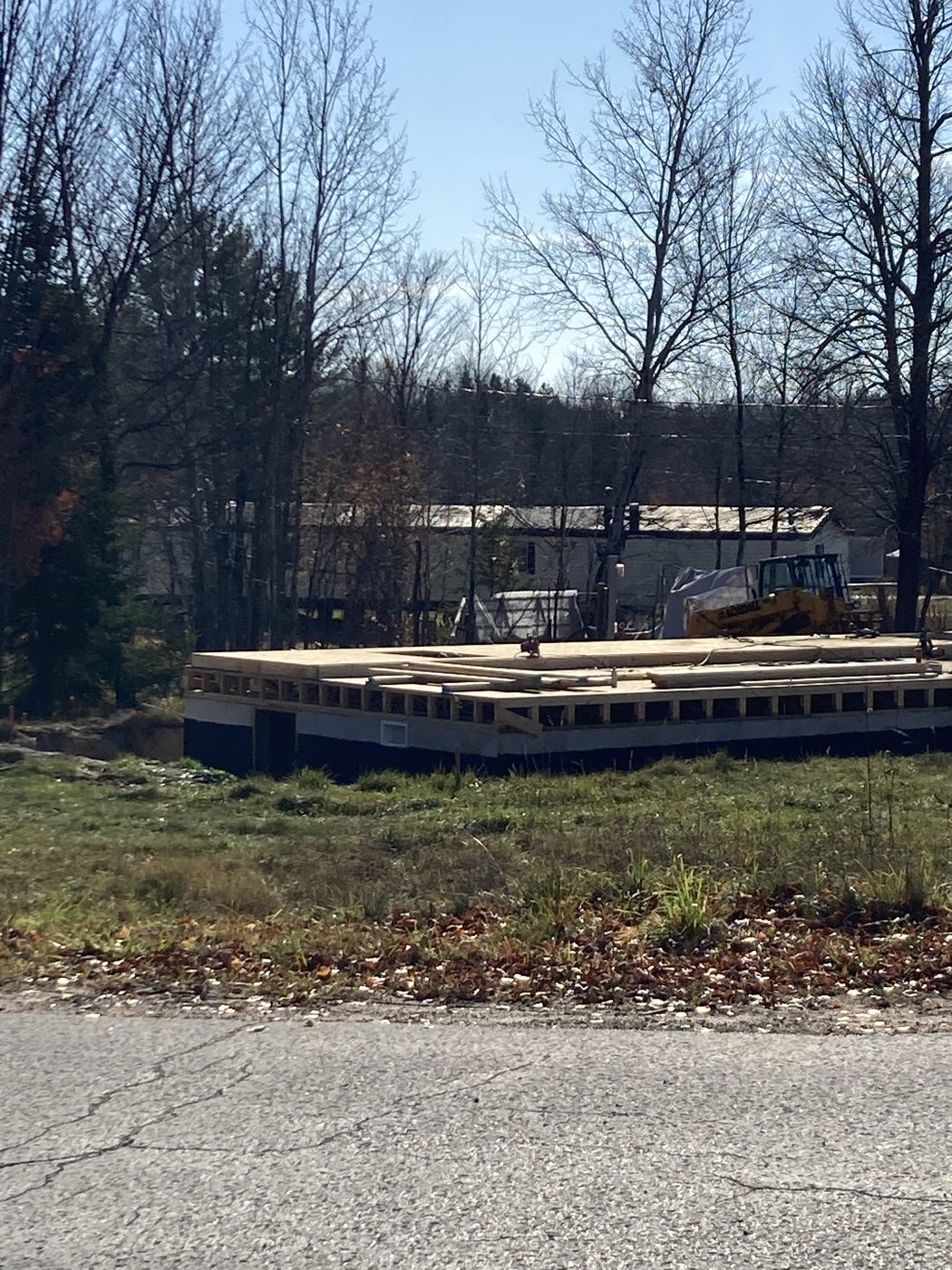
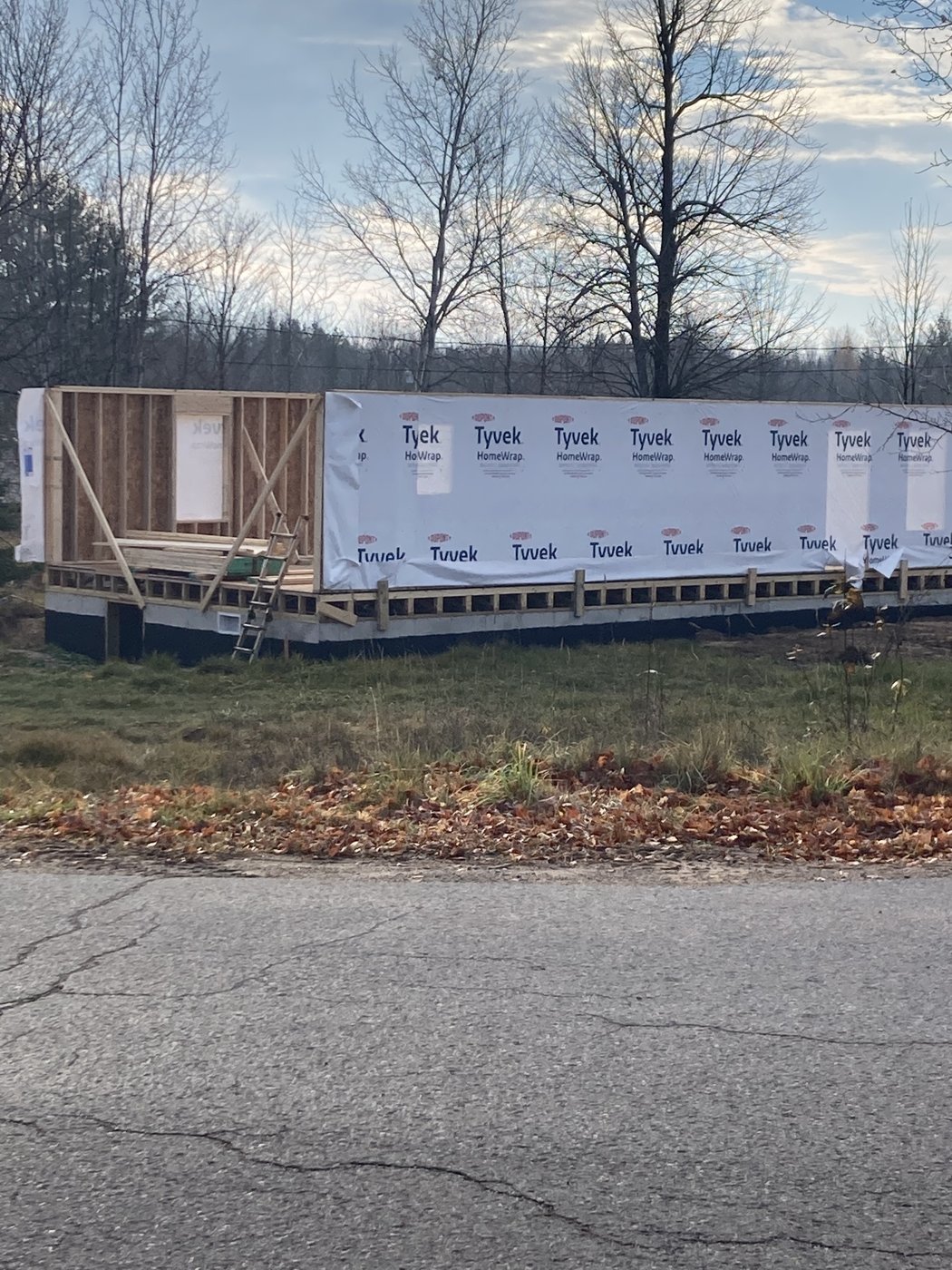
Housing types here are not set by the open market. They are determined by tribal, state or federal funding for subdivision development. The funding source behind a subdivision decides what gets built, who qualifies to live there, and whether a home is a rental, a lease-to-own unit or an owner-occupied home. When the funding changes, the housing mix changes with it.
That is why the owner and renter counts above should be read as a record of past funding decisions, not simply as residents’ preferences.
Household income (2018–2022)
Of the 142 occupied households, income is spread like this:
- Under $35,000: 56 households (39%)
- $35,000 to $74,999: 46 households (32%)
- $75,000 and above: 40 households (28%)
The most common single bracket is $35,000 to $49,999, with 24 households. The 2024 median household income is $46,719. Housing funding rules often tie eligibility to income, so this spread matters for any future subdivision plan.
Who lives here
- Population (2020 Census): 720 people, of whom 541 identify as American Indian and Alaska Native alone (75%). Counting people who also identify with another race, 623 are American Indian and Alaska Native (87%).
- School enrollment (2024): an estimated 188 residents are enrolled in school, including 143 in kindergarten through 12th grade, and 97% of enrolled students attend public school.
What to watch
With 19 vacant units and a rental-heavy mix, the next subdivision decision is a real opportunity. Whether the funding is tribal, state or federal will shape the housing types that follow, and community members serving on boards and committees should understand those funding terms before a project is approved.
Sources: U.S. Census Bureau, American Community Survey housing and income estimates (2018–2022); 2020 Decennial Census (P1, Race); ACS 5-Year Estimates 2024 (S1401 School Enrollment); 2024 Census profile for the Hannahville Indian Community and Off-Reservation Trust Land. Survey figures are estimates with margins of error.


Leave a Reply